
Functional Capacity Evaluation
A functional capacity evaluation (FCE) gives you a clear, objective answer about what an employee can safely do on the job. It helps guide smarter decisions about return-to-work, restrictions, accommodations, and fitness for duty.
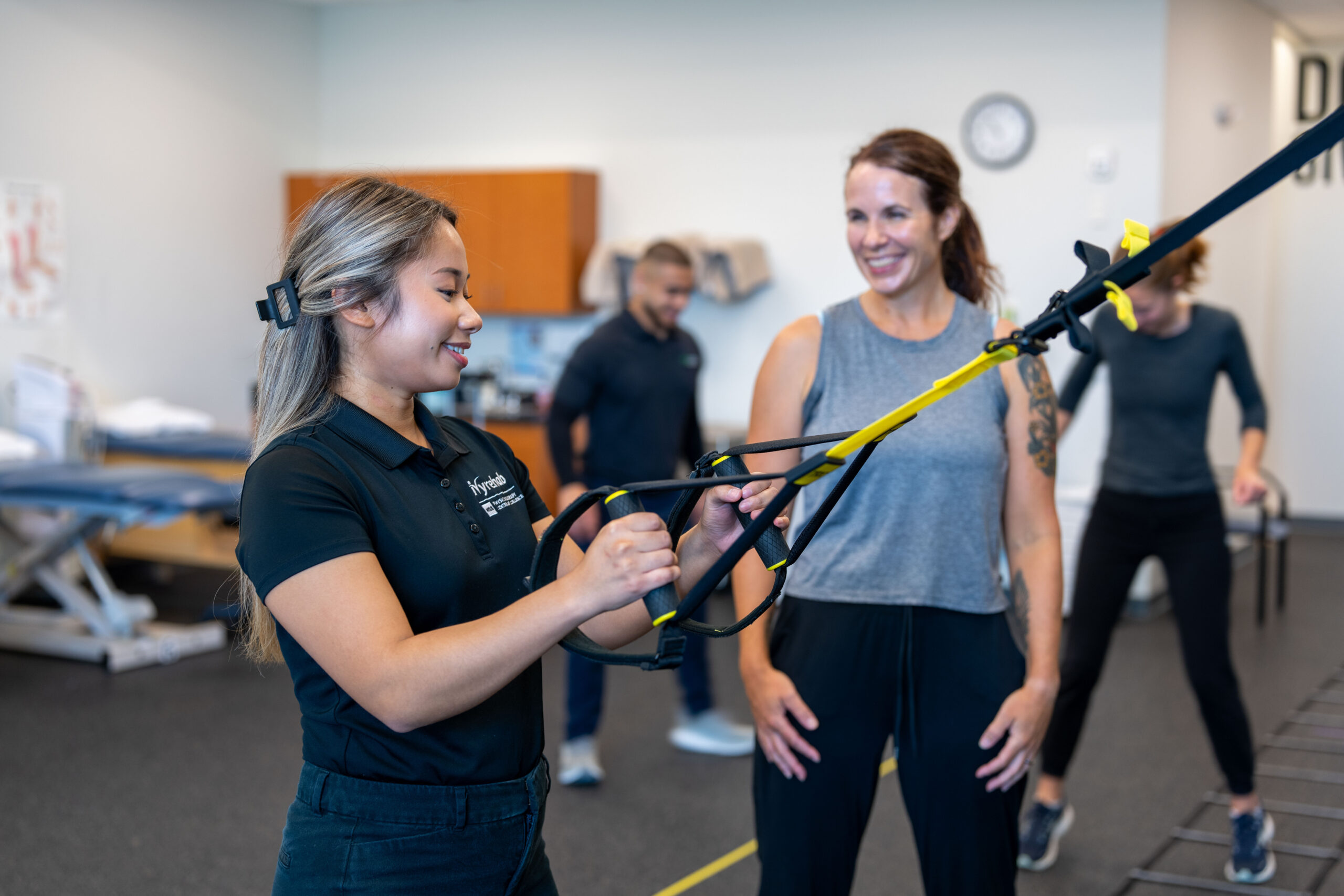

Objective by Design
What Is a Functional Capacity Evaluation?
An FCE, also called a work capacity evaluation, is an objective, evidence-based process that measures a person’s physical capacities, then compares that performance to the demands of a specific job, task, or occupation. Employers use that information to make informed decisions about job placement, job accommodations, and recovery planning, based on real data rather than guesswork.
Objective Work Capacity Data
Get a clear, evidence-based picture of what an employee can safely do on the job right now to guide placement, restrictions, and return-to-work decisions.
Smarter Return-to-Work Decisions
Use reliable functional data to guide restrictions, accommodations, and return-to-work planning with greater confidence.
Job-Demand Matching
Compare an employee’s current abilities to the physical demands of the role to support safer placement, smarter decisions, and better outcomes.

Who It’s For
Who Benefits From an FCE?
As an objective third party, we take a candid approach and deliver results you can trust. That makes an FCE useful for employers, employees, providers, and others who need a clear read on an employee’s true capabilities.
An FCE can help:
- Employers make informed return-to-work, accommodation, and fitness-for-duty decisions while helping reduce the risk of re-injury.
- Employees gain a clearer understanding of their functional abilities and return to work with the right recommendations and support.
- Physicians and healthcare providers receive objective, evidence-based data to guide treatment planning, work restrictions, and return-to-work decisions.
- Workers’ compensation professionals support claim management, determine work capacity, and help facilitate a safe, timely return to work.
- Attorneys and legal professionals access objective documentation for workers’ compensation or disability matters when appropriate.
In each case, the goal is the same: standardized, evidence-based information that supports a safer, more confident path forward.
Why Our FCE Stands Apart

Evidence-Based Testing
Our team follows a scientific, evidence-based methodology, not guesswork.

Reliable Results
Our FCE testing delivers consistent, reliable results across raters and readers.

Customized Reporting
Each report is built around the referral source and job demands, with clear recommendations for return to work, accommodations, and case management.

Consistency You Can Trust
We track effort and pain ratings throughout testing to support accuracy, defensible findings, and greater confidence in every evaluation.
When to Consider an FCE
The right time for an FCE is when everyone involved needs the same objective answer. That often comes when return-to-work decisions, job demands, and physical capacity need to be weighed against each other with more clarity.
You may consider an FCE when:
- Return-to-work readiness, work restrictions, or job accommodations need to be assessed.
- An employee’s current capabilities need to be compared with the physical demands of the job or essential job functions.
- Progress has plateaued or maximum medical improvement (MMI) is being considered.
- There are conflicting opinions about work capacity or restrictions.
- Accurate documentation is needed to support workers’ compensation, disability, legal decisions, or overall fitness for duty.
In each of these situations, an FCE helps replace uncertainty with clear, evidence-based guidance you can act on.
Common Questions
Functional Capacity Evaluation FAQs
The length of an FCE depends on the type of evaluation being performed. Job-specific FCEs typically take two to four hours, while more comprehensive evaluations may take four to six hours. The evaluation is tailored to the individual’s needs and the purpose of the referral.
An FCE objectively measures an individual’s ability to perform work-related tasks such as lifting, carrying, pushing, pulling, standing, walking, bending, and endurance.
FCEs are commonly requested by physicians, employers, nurse case managers, claims adjusters, attorneys, and workers’ compensation carriers to support informed return-to-work decisions.
An FCE is often recommended when determining return-to-work readiness, work restrictions, job accommodations, or an employee’s ability to safely perform essential job duties.
An FCE provides objective, evidence-based results that help employers, physicians, and claims professionals make confident decisions about work capacity and safe return to work.
Ready to Get Started?
Get an Objective Answer, Not a Guess
A certified functional capacity evaluation gives you data you can act on for accommodations or return-to-work decisions.
Reach out to learn more or ask about rates for your workplace.