
Work Conditioning
Every dollar spent on workplace safety returns up to six in savings. Our work conditioning program helps injured employees safely return to the physical demands of their job through training built around the work itself.
Therapy Built For The Job
What Is Work Conditioning?
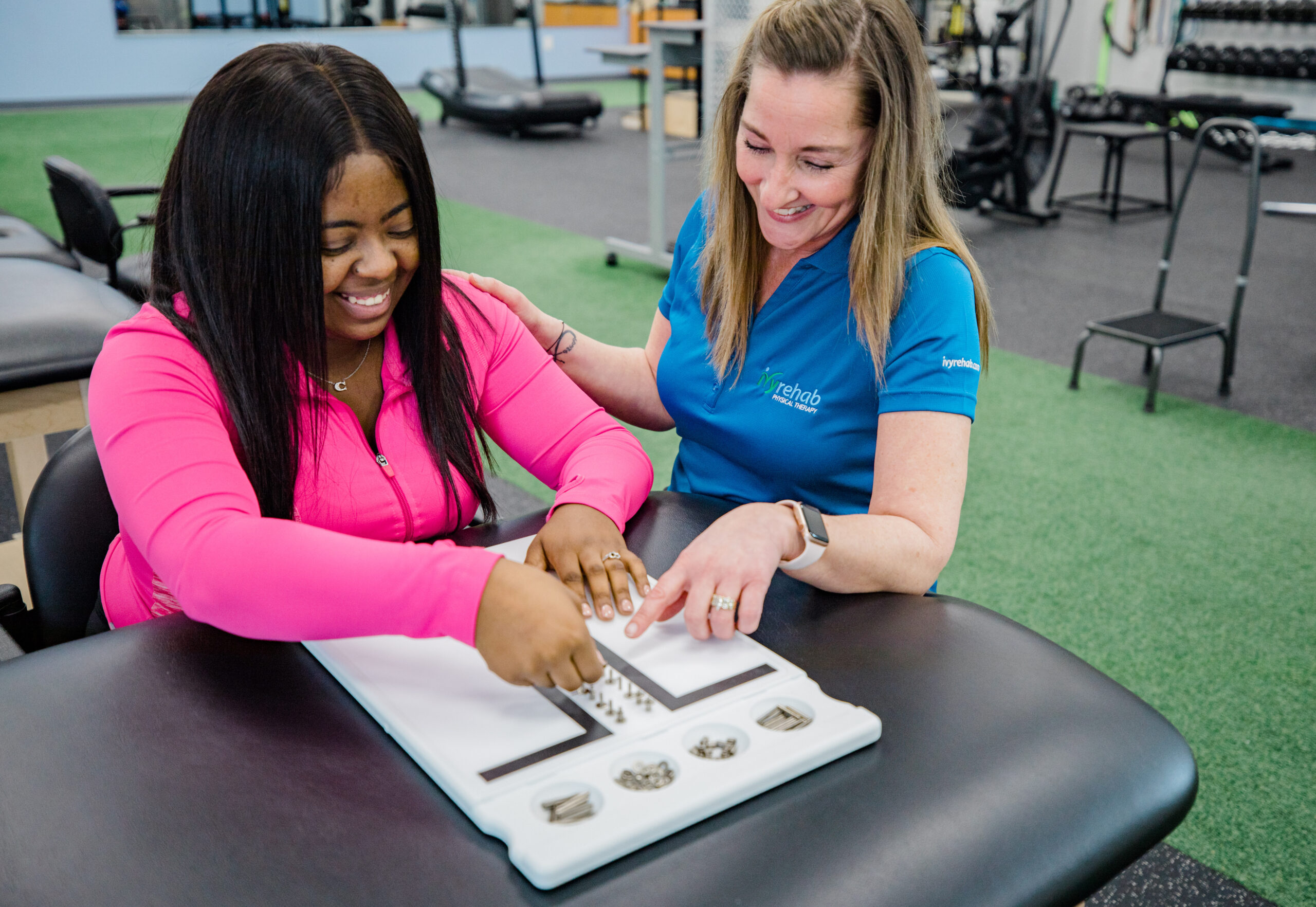
Work conditioning is a structured, job-focused rehabilitation program that helps injured employees rebuild the strength, endurance, mobility, and functional capacity needed to safely return to work. Treatment is based on the physical demands of the employee’s role and may include full-body strengthening, functional task training, and body mechanics education.
For employers, adjusters, and nurse case managers, work conditioning can help bridge the gap between traditional therapy and a safe, sustainable return to duty. Our team uses measurable progress and job-specific activities to support return-to-work planning, reduce reinjury risk, and help employees resume their responsibilities with greater confidence.
Strength for the Job
Build the strength, endurance, flexibility, and movement control employees need to safely meet the physical demands of their roles.
Work-Focused Recovery
Use functional exercises and simulated job tasks to support measurable progress and help bridge the gap between traditional therapy and returning to work.
Safer Return, Lower Risk
Support a safer, more sustainable return to work while reducing reinjury risk and helping employees meet their recovery and job-performance goals.
Work Hardening vs Work Conditioning
How Work Conditioning and Work Hardening Differ
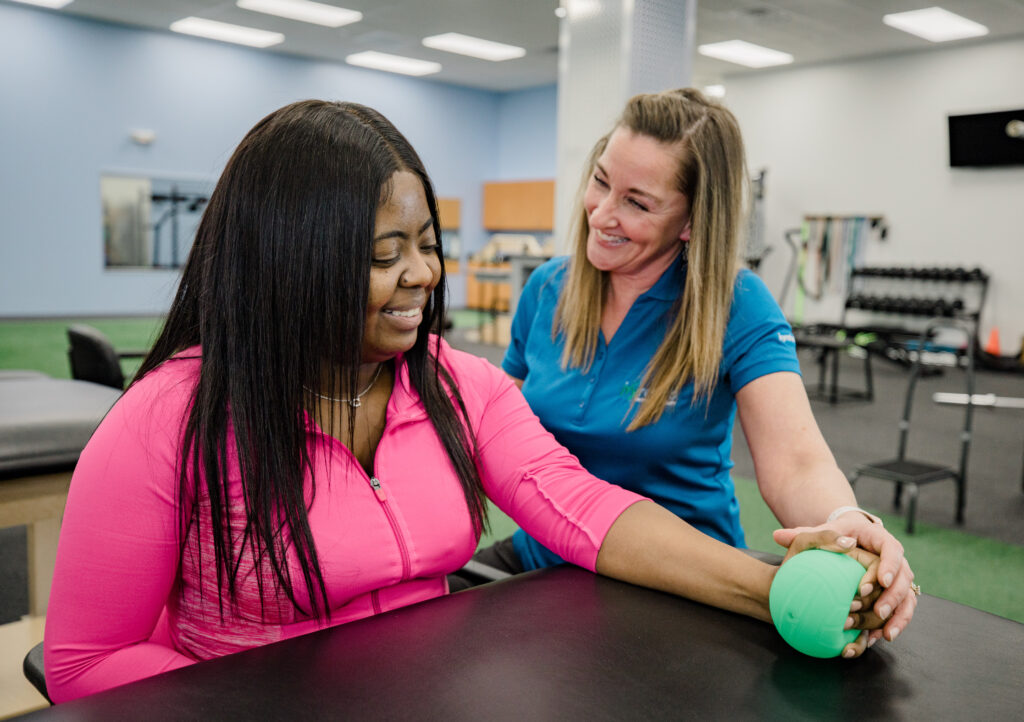
Work hardening, as defined by the American Physical Therapy Association, is a highly structured, individualized, multidisciplinary program. Work conditioning is more targeted and typically led by a single discipline. Here’s how they differ:
- Work conditioning targets physical capacity, strength, endurance, and function.
- Work hardening addresses physical, behavioral, and vocational needs together.
- Both use real or simulated work tasks to prepare you for the actual job.
The goal in both cases is the same: helping people return to work more safely and with better preparation for the demands of the job.
What Our Work Conditioning Program Includes

Strength and Endurance Training
Physical capacity is rebuilt with the goal of preparing workers for the demands of the job.

Body Mechanics and Mobility
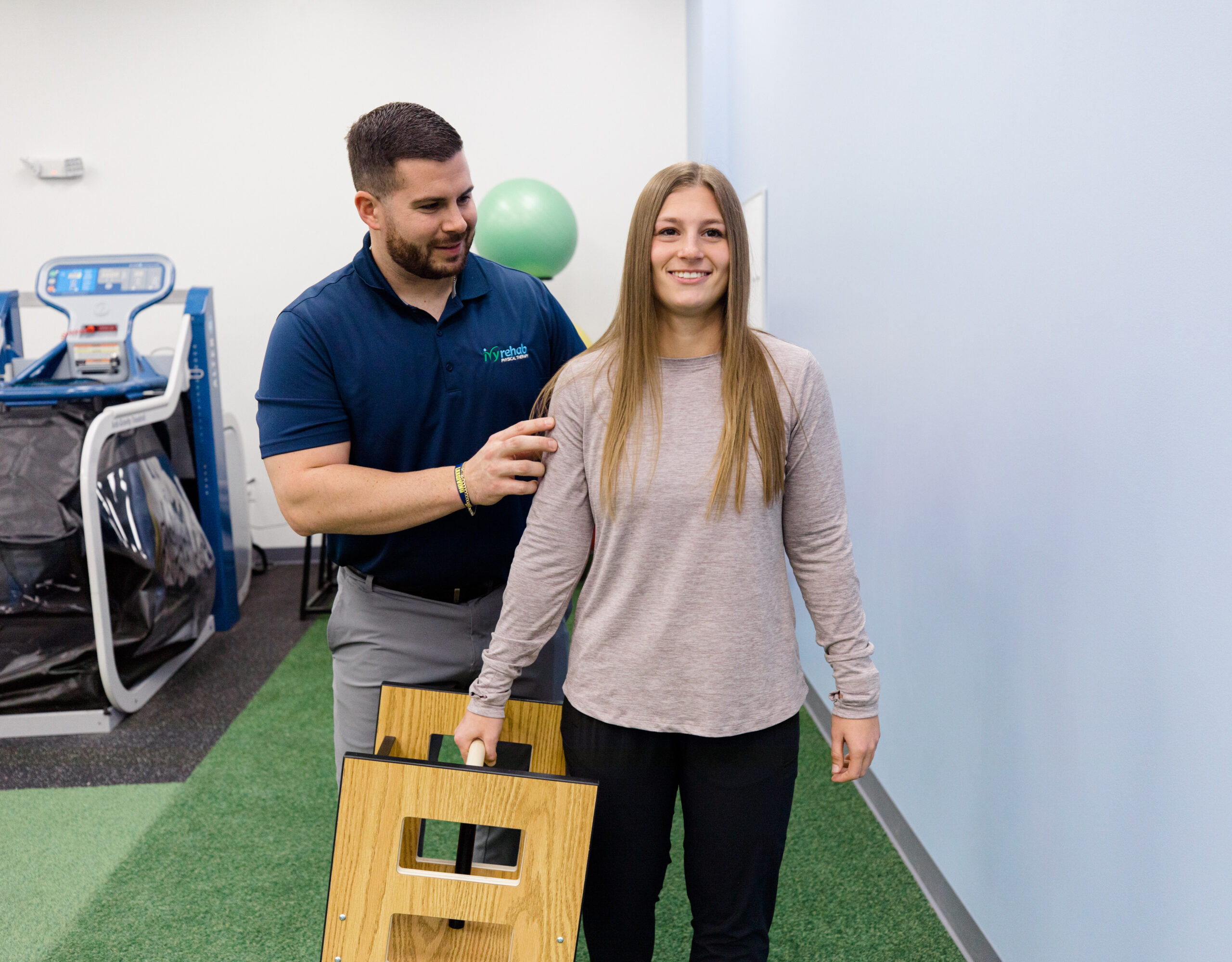
Safe lifting, carrying, pushing, pulling, and movement patterns help improve mobility and reduce the risk of re-injury.

Job-Specific Functional Training
A work-conditioning environment mirrors the demands of the job, so training prepares workers for the real movements and physical stress of the role.

Progress Monitoring and Return-to-Work Planning
Functional progress is tracked throughout the program, with coordination across physicians, case managers, and employers to support a safe return to work.
Why Our Return to Work Program Is Different
Traditional therapy can support recovery, but it may not fully prepare an employee for the specific movements, physical demands, and stresses of their job.
Our work conditioning program provides structured, goal-oriented treatment based on each employee’s job requirements and current functional abilities. Led by therapists experienced in work-related recovery, the program uses job-specific activities and measurable progress to support safer, more informed return-to-work decisions.
Common Questions
Work Conditioning FAQs
Work conditioning usually involves one discipline focused on strength and endurance for a specific job. Work hardening is multidisciplinary and also addresses behavioral and vocational needs.
Timelines vary by injury and job demands, but the goal is always the same: an early, safe return to work with less lost time.
Work conditioning combines full-body strengthening and endurance, simulated work tasks, and body mechanics training to help employees safely meet the demands of their role and return to work with confidence.
Work conditioning therapists commonly treat strains, sprains, neck and back injuries, post-surgical and post-fracture care, neurological dysfunction, and catastrophic or multiple injuries.
Ready to Get Started?
Support a Safe Return to Work
Learn how our work conditioning program supports a safe, job-ready return to work. Contact us for program details and rates.